Summary: Changchun Nanling Stadium, a 42,000-seat brutalist ground in Jilin Province, remains the beating hea
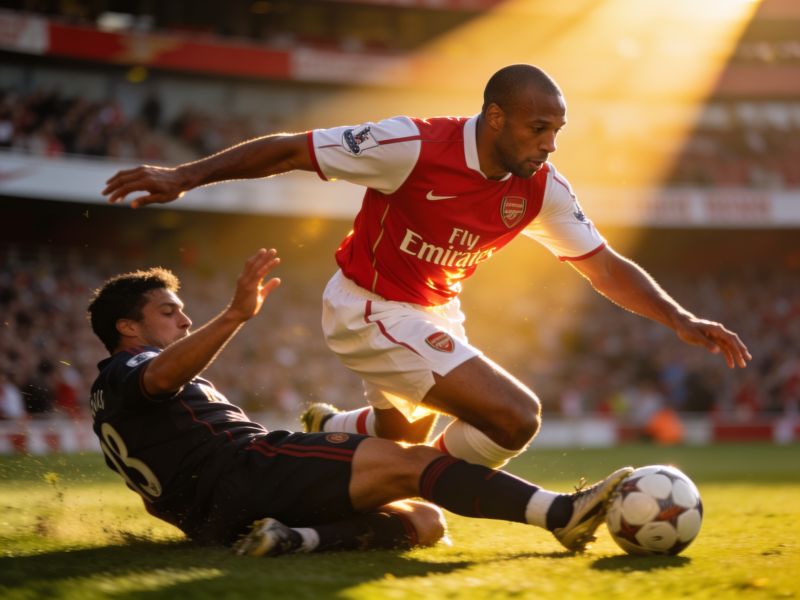
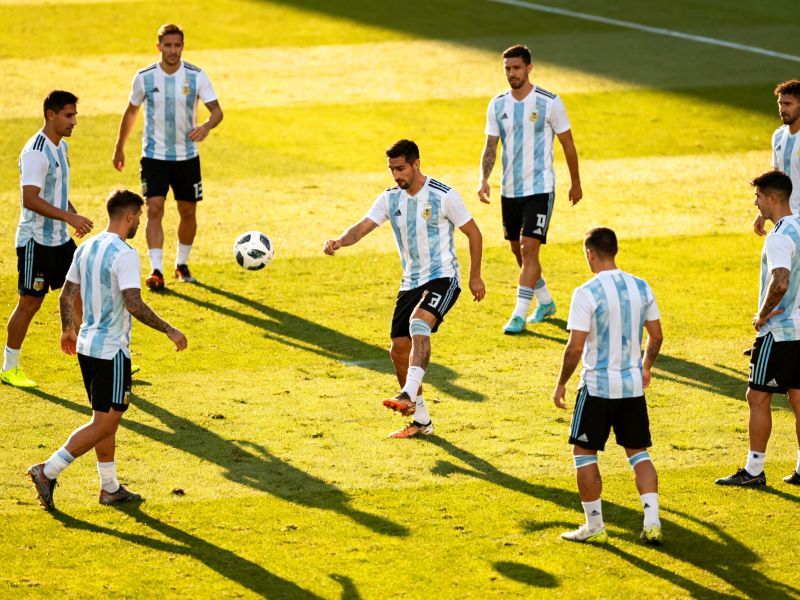
he first thing that strikes you about Changchun Nanling Stadium is its sheer mass. Sitting in the city's Nanguan District, this 42,000-seat arena doesn't try to be sleek or futuristic—it's a brutalist statement in concrete and steel。built in 1994 and still the largest football-specific ground in Jilin Province. I walked its perimeter on a cold October morning, and the wind off the nearby Nanhu Lake cut right through the plaza. That's the thing about Changchun Nanling Stadium: it feels engineered for the climate, not for Instagram.Locals will tell you the stadium's real fame comes from football. Changchun Yatai, the city's Chinese Super League club。has used Nanling as its fortress for years. The stands behind the north goal are notoriously loud—curved slightly inward, they trap sound in a way that turns 10,000 chanting fans into a wall of noise. I remember a 2019 match against Guangzhou Evergrande where the away team's keeper visibly flinched during warm-ups. That's not something you see at newer, more open stadiums. The pitch itself is natural grass, heated underground for winter fixtures, which in Changchun is less a luxury than a survival requirement.But Changchun Nanling Stadium isn't just a football ground. It hosts athletics meets, concerts, and the occasional winter training camp for national teams. The running track around the pitch is outdated—rubberized in the 2000s and showing its age—yet it still serves local schools and amateur runners on weekday mornings. I watched a group of retirees doing tai chi in the east concourse while a groundskeeper hosed down the shot put circle. That mix of elite sport and everyday use is rare in China's newer mega-stadiums。
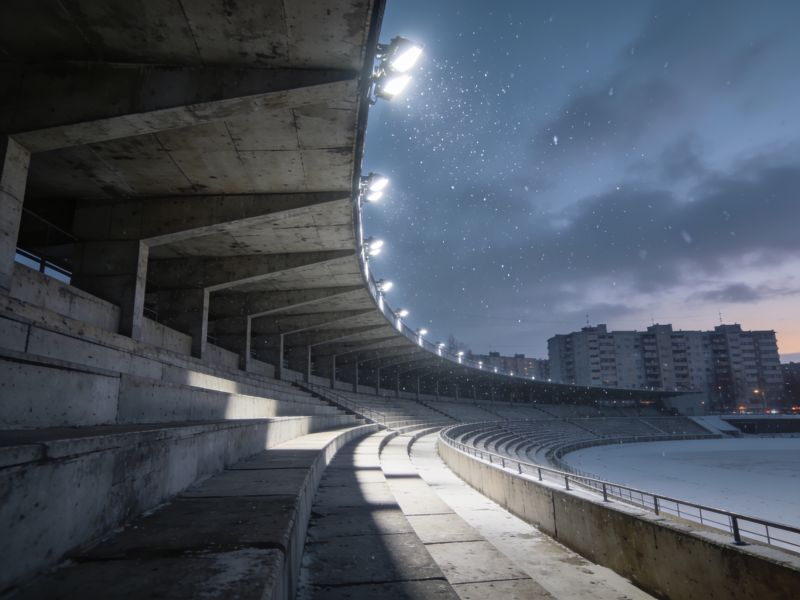
which often sit empty between events. Nanling feels lived-in, almost worn, and that's its charm.Infrastructure-wise, the stadium shows its age. The concourses are narrow, the toilets basic, and the scoreboard—a low-resolution LED screen from 2012—looks primitive compared to the wraparound displays in Shanghai or Beijing. But accessibility is solid: Line 2 of the Changchun Metro stops at Nanling Station。a five-minute walk from the south gate. That matters. On match days, the surrounding streets fill with vendors selling roasted sweet potatoes and team scarves, and the whole neighborhood turns into a slow-moving river of red and black. It's chaotic, but it works.Changchun Nanling Stadium won't win architectural awards. It's a workhorse, not a show pony. Yet for anyone tracking Chinese football culture outside the tier-one cities, this place is essential. The concrete facades are stained, the seats are faded, and the floodlights hum louder than they should. Somehow。
that makes the roar when Yatai scores feel more honest. If you're in Changchun on a match day, skip the newer venues downtown. Nanling is where the city's sporting heart still beats, stubborn and unpolished.